How to Increase Event Revenue
Revenue is your bottom line. You’ve got to create a memorable event experience and promote your event effectively to drive ticket sales to draw a large crowd. It's how you'll create a successful event. We’ll cover how to craft your event experience to attract attendees and offer additional revenue drivers. We’ll also share the best inexpensive and free strategies for promoting your event and selling more tickets.
As you’re developing your event growth plan, compare ticketing software to find one that enhances your growth opportunities.
How to Create Your Event Experience
Boosting ticket sales and event attendance starts with the experience you're offering. Craft your event promotion strategy around your attendee experience. Then, build your ticketing strategy around that experience and find ways to create a sense of urgency. Below are 12 steps to crafting an enticing experience for your attendees.
- Conduct Market Research
- Organize a Cohosted Event
- Develop an Effective Ticket Pricing & Sales Strategy
- Create Ticket Add-on Items
- Develop Membership Programs
- Sell Branded Merchandise
- Open Food & Beverage Sales
- Promote Gift Cards
- Accept Donations
- Work With Sponsors
- Rent Vendor Booths
- Analyze Post-event Surveys & Data
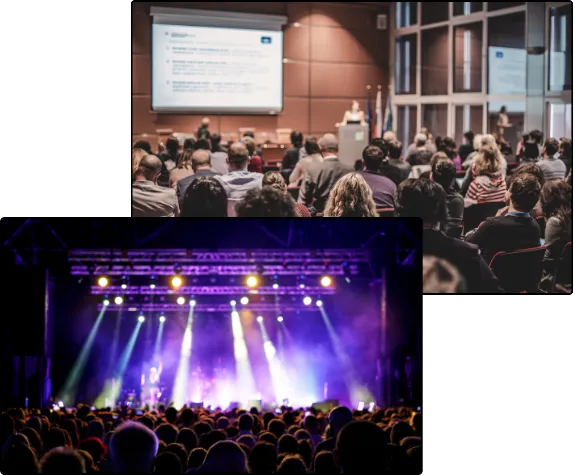
1. Conduct Market Research
First, you need to understand your audience. You may have several audiences. For example, you may be trying to attract attendees, sponsors, and vendors. Each of your audiences is looking for something different from your event.
As you think about each of your audiences, ask the following three questions:
- Who are you trying to attract to your event?
- What are they interested in?
- What’s exciting about your event?
Once you know what your audience is looking for, creating a stand-out event and drawing a crowd is easier.
Your attendee audience may have more variety – maybe you’re attracting families, couples, singles, etc. You’ll want to ensure that you have fun activities for each of your potential attendees.
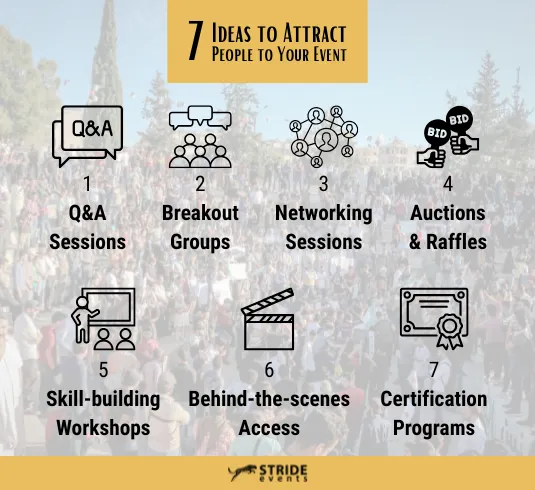
As you think about your prospective attendees, consider what celebrities or other big names you can bring to your event to get people to come. Look for ways to offer something exclusive or special to your event, like
- Q&A Session with Keynote Speaker
- Breakout Groups
- Networking Sessions
- Auctions & Raffles
- Behind-the-scenes Access
- Skill-building Workshops
- Certification Programs
Your sponsors may also be interested in hosting one of the above activities at your event as part of their sponsor package.
Sponsors and vendors are primarily going to be interested in sales and marketing opportunities. Hosting a tradeshow or expo as part of your event will help you attract more vendors and sponsors to your event. We’ll get into other marketing and sales opportunities later.
2. Organize a Cohosted Event
As you’re building an event, you network to find community partners. Maybe a local business will help you cohost your event because it will draw people to their business and they can boost sales.
Or, you may be able to work with other event organizers to trade marketing so that you both can bring more people to your events.
3. Develop an Effective Ticket Pricing & Sales Strategy
Once you’ve built the foundation for your event, the next step is to start selling tickets. We cover pricing strategies in-depth in our comprehensive pricing guide. Below are 10 ways to build on your pricing to ensure that you’re growing your ticket sales:
- Early-bird Pricing – Encourage people to buy tickets early by offering lower pricing to early buyers. You can even feature a countdown clock to the next price increase during ticketing. This countdown helps people have a sense of urgency when buying tickets.
- Bundles – You can also boost sales by offering ticket bundles. Bundle packages are effective for increasing attendance, including families, to your event. Everyone loves getting a deal, and a bundle can help make your event accessible to families.
- Season Passes – Season passes are another type of bundle. Attendees can buy tickets for your whole season to enjoy every show.
- VIP Ticket Packages – Offer an enhanced experience at your event by creating VIP packages. Attendees will pay more for an elevated experience, and you don’t always have to spend more on delivering that elevated experience. For example, you can have a separate line for VIPs, give them premium seats, or include backstage access.
- Premium Seating Upgrades – You can have increased prices for better seats. People are willing to pay more for a better seat and a better view of your show.
- Group Pricing – Increase the value of your ticket orders by offering group deals to encourage people to attend your event with friends.
- Coupons & Promo Codes – Don’t forget to use tried and true strategies with coupons and promo codes. Pair these deals with specific sales strategies.
- Flash Sales – Heighten your attendees’ sense of urgency with flash sales and limited time offers.
- Cart Recovery – Don’t lose sales to forgotten orders. Turn on automated email reminders on abandoned orders so your attendees can easily complete payment.
- Referral Program – Turn your attendees into marketers for your event by offering them rebates for each ticket they help you sell. They can get up to their full order rebated depending on how many referral sales they do.
4. Create Ticket Add-on Items
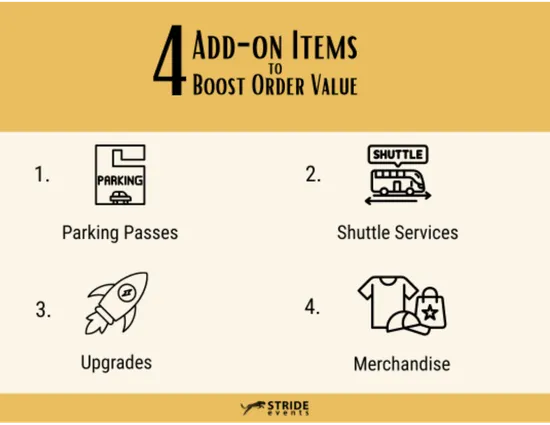
You can also increase revenue by offering add-on items to your tickets. This strategy isn’t about increasing event attendance or ticket sales – it’s about increasing the value of each order. Here are four ideas for ticket add-ons:
- Parking Pass – Some attendees will pay more for a parking pass so they can park closer to the event. These passes are especially advantageous if there’s limited parking.
- Shuttle Services – You can also offer attendees shuttle services to and from the event, particularly if parking is far away. Many attendees are willing to pay more for a service like this.
- Upgrades – You can offer specific upgrades, too. If your ticket includes a meal, you can let your attendees choose an entree. Some of the options may be an upgrade with an added cost.
- Merchandise – Some attendees will be excited about your event and want to pre-purchase some of your swag. It’s a great add-on to include in your ticket purchase pathway.
5. Develop Membership Programs
Depending on how you’re organizing your event, you can create different kinds of programs to keep people coming back for more:
- Loyalty Program – Offer discounts to your attendees based on how many times they’ve come to your event. These special discounts help keep your most loyal customers coming back year after year.
- Club Membership – Consider creating a club or membership program as part of your event. Keep in mind that membership programs run year-round, and you’ll want to create additional perks or club meet ups to encourage people to join.

6. Sell Branded Merchandise
Another revenue stream for events is branded merchandise. Some attendees are looking for a souvenir. Others are looking for an exclusive product.
Before you offer merchandise, you need to evaluate the startup cost of merchandise. Consider design costs and creation costs. It may be something that you’ll want to introduce in the second year of your event.
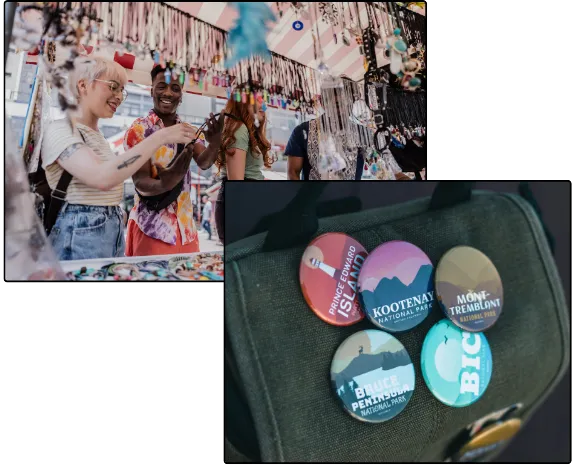
As you determine what type of merchandise to offer, think about what types of products interest your audience. T-shirts and hats are a classic swag example. You can even look into water bottles, wallets, etc. Be creative to ensure your swag stands out.
- Event Souvenirs – Think about clothing items, fanny packs, pins, and other souvenir items your attendees will enjoy.
- Limited Edition Products – For a commemorative year of your event, creating specialty, limited edition swag can help you generate more revenue.
7. Open Food & Beverage Sales
Offering food at your event is another great way to generate revenue at your event. Keep in mind that you’ll need to have the food and drinks ready to go at your event.
When deciding how to approach food and beverage sales at your event, consider what type of event you are organizing:
- Gala & Conferences – These events are often professional or black tie. Attendees will dress up. It makes sense to offer sit-down food options at these kinds of fancier events. You may offer an exclusive meal package with some of your tickets.
- Block Parties, Fairs, Theatres – While theatres can be more formal, they are trending to becoming more casual with people having beverages and snacks at their seats. For events with a lot of walking, you’ll want to focus on handheld food options at lower prices.

8. Promote Gift Cards
People love gifting experiences, so event gift cards are a great thing to sell. It’s a great opportunity for theaters and established events. It can also help you get a revenue boost around the holidays.
9. Accept Donations
If you’re organizing your event as part of a nonprofit, you can also generate revenue for your cause through donations. These donations can help you operate your programs that support the community.
You should also use fundraising event software to help you generate more donations. You can turn all of your attendees into fundraisers with fundraising teams and competitions.
10. Work With Sponsors
As you’re building your attendee audience, you also need to develop a sponsorship program to reach out to sponsors. You can even sell sponsorships your first year. Start with the value you can offer:
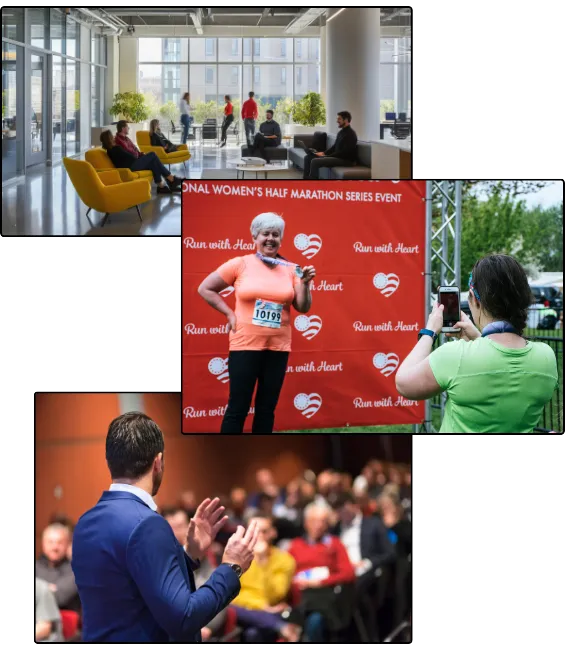
- Sponsor Branded Lounges – Branded lounges are a great sponsor offering at professional conferences. Other events might consider having a sponsored beer garden or something similar that offers your sponsors a place to connect with potential clients and customers.
- Branded Photo Opportunities – Offer great photo opportunities for your attendees. They’ve got to be able to post something fun to the gram, after all. Instead of funding the photo op yourself, find a sponsor to help you create something memorable at your event.
- Digital Event Landing Page – Feature your sponsors prominently on your event’s landing page. You can even have a dedicated page to highlight sponsor sales promotions to your attendees.
- Venue Signs & Posters – You can also offer physical advertising opportunities around your event and the venue.
- Ad Space – Ad space is another valuable offer for your sponsors. Ad space can be digital or physical, so be creative with your options and in your conversations with sponsors.
- Speaking Opportunities – Organizing a presentation is a valuable way for sponsors to engage with their target audience and your attendees. You could even offer the keynote speaker opportunity as part of a sponsorship. Sponsors are often happy to pay for these opportunities or even provide food and drink in exchange for speaking.
Three Types of Sponsorship
As you’re thinking about sponsorships, look at sponsors from a few different angles. These angles can help you expand your reach:
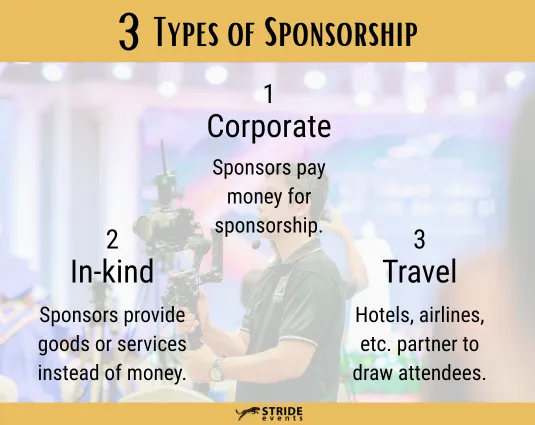
- Corporate Sponsorships – These sponsors are what you typically consider when developing a sponsor program. They’re usually businesses looking to expand their marketing to your audience.
- In-kind Sponsorships – With these sponsorships, think about different services or supplies you’ll need at your event. You can trade sponsorships for in-kind donations. If you need snacks for volunteers, maybe trade a sponsorship with a grocery store who provides you snacks. You’ll just want to ensure that the in-kind value offered matches the monetary value of the sponsorship tier.
- Travel Sponsorships – Events and venues that attract people from all over should talk to airlines, local hotels, etc. about sponsorship or partnership for your event that helps them drive sales.
A la Carte vs Tiered Sponsor Options
As you develop your sponsor program, you also need to consider structure. Most events offer a tiered structure so sponsorships increase in price as they increase in value. Events often offer a la carte sponsor options so companies can pay for specific items that offer them the most value.
11. Rent Vendor Booths
With some of your sponsor packages, you can include a booth rental. This space is valuable for vendors interested in making sales, having conversations with new clients, and more. You can also sell your vendor booth spots as a separate offering.
Booths are great ways for vendors to do product launches, connect with people, and grow their business.
12. Analyze Post-event Surveys & Data
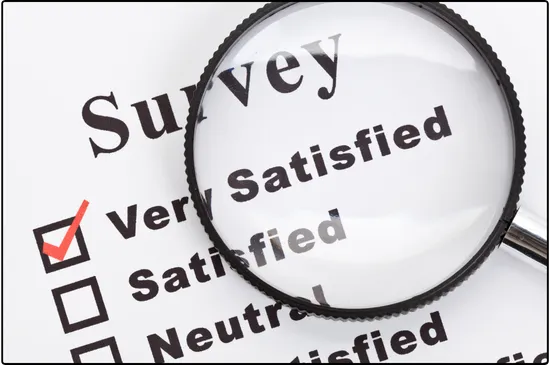
Once your event is over, conduct a comprehensive review. Look at your spending and revenue to assess how well your event performed financially. You should also talk to your volunteers to understand more about the operational side of your event – what went well and what changes would help for next year.
You should also have conversations with your sponsors and vendors to understand what their experience was. You can even have some quick conversations with vendors at the event to get a sense of how well they think the event has gone for them.
After your event, thank all of your sponsors for their contributions to your event. As you start having conversations, you can also ask questions to get a sense on how valuable the sponsorship was for them and start getting commitments for next year.
How to Promote Your Event
Once you’ve built your event experience, the next piece is marketing it. Review the market research you did when planning your event. Use it to determine the best ways to craft messaging and identify the best ways to reach people.
In your marketing efforts, use messaging that gets people excited about your event. You’ll also want to create a sense of urgency or FOMO (fear of missing out) that will help people make purchase decisions sooner. If you've developed a unique experience, it'll be that much easier to craft your event marketing.
But, you don’t want to cross the line into creating a high-pressure sales process. When people feel pressure, they are less likely to buy or to have a positive interaction with your brand.
When you choose where to advertise your event, think about where your target audience spends time and how they communicate. Think about what event calendars and even review sites where people learn about events or attractions. What social media channels does your audience use the most?
For sponsors, it may be best to pick up the phone or stop by their office to get a sponsor conversation going.
We’ll cover 12 ways to promote your event and drive sales:
- Create a Promo Video
- Publish an Event Website
- Add Calendar Listings
- Craft Ad Campaigns
- Develop an Email Marketing Strategy
- Collaborate With Sponsors, Influencers, & Nonprofits
- Post on Social Media
- Issue a Press Release
- Hang Up Posters
- Advertise Early-bird Discounts
- Highlight Promo Codes & Incentives
- Turn Attendees into Built-in Marketers
1. Create a Promo Video
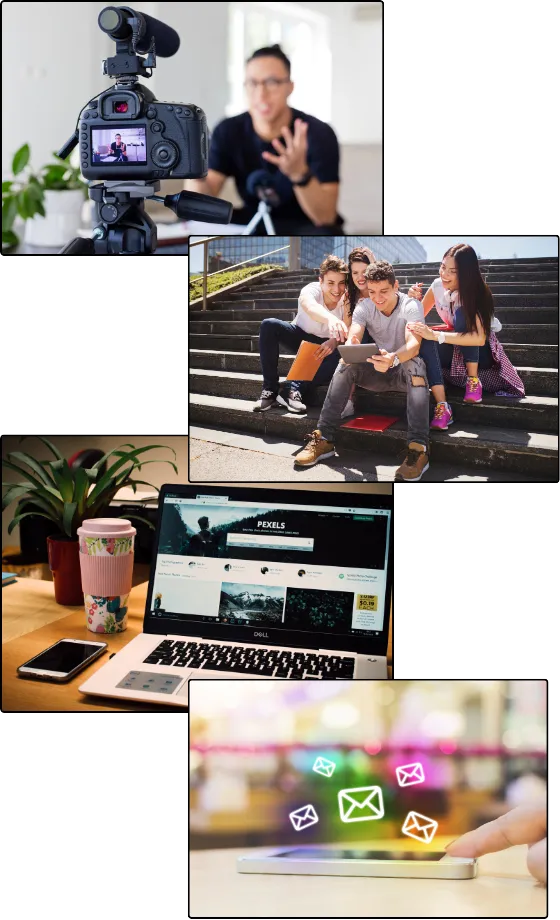
Start by creating a promotional video to highlight your event. This task can be intimidating your first year because you don’t have footage of your event because it hasn’t happened yet. But, this is where you can be creative.
Here are four ideas for your promo video when you have no event footage:
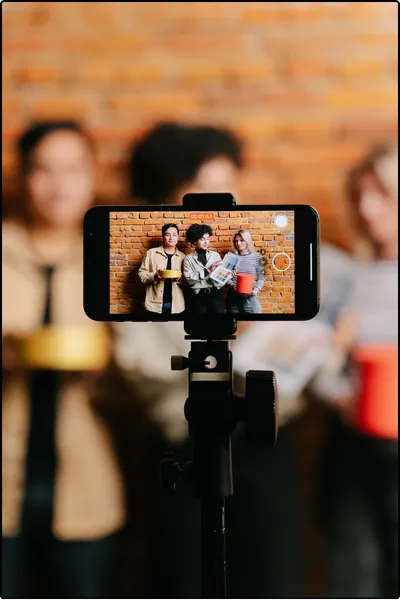
- Event Organizer Introduction – Do a simple video where you talk people through the main attractions of your event. You can film it walking around your venue to help people get a sense of place and what to expect at your event. Use your phone to film. And, choose a landscape or portrait orientation depending on where you plan to post the video. For YouTube, think landscape. For TikTok, think portrait.
- Behind the Scenes – People love behind the scenes glimpses because it feels exclusive, which helps them get even more excited about your event. This footage can also be taken using your phone.
- Animation – Using animated drawings to help bring your event to life can help you add some personality and flair to your event. For example, the dessert drawings on British Bake Off that appear when contestants talk about their vision for their submission add flair and visual interest as contestants speak. If you’re an artist, you can create these yourself, or you can work with a freelancer to create something cool for your event.
- B-roll – B-roll footage isn’t event-specific or unique, but it’s helpful when you need some compelling, real-life visuals. Some b-roll is free, especially if you pay for a service like Canva. Other times, you’ll need to pay for it before you can download it.
2. Publish an Event Website
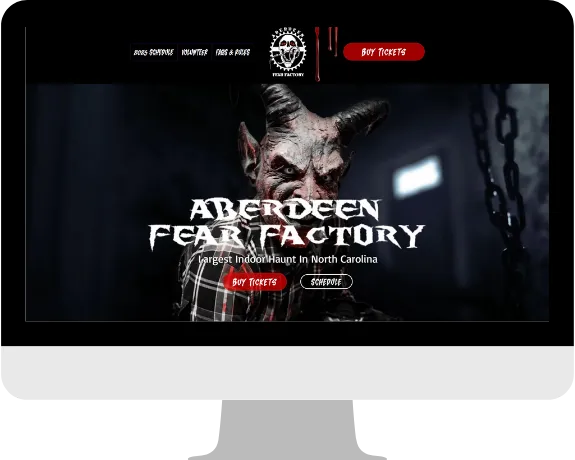
You’ll also want to create an event website. A website will help you establish a digital presence for your event.
Eventually, you’ll want to feature photos and videos from your event. But, in your first year look for free stock images. Unsplash, Pexels, and Pixabay are great resources for royalty-free photos.
For your website, start with a home page, an FAQ page, and a contact us page. Include a prominent link to buy tickets in your navigation bar. Your home page should have another prominent button on the page along with details about your events and its main attractions.
Include common questions on your FAQ page. Maybe you have a set date that prices increase. Or, you want to include more details about what to expect at the gate and box office when people arrive.
Your contact page should have an email or a phone number that people can use if they need help with their order or have other questions.
3. Add Calendar Listings
Calendar listings are another way to spread information about your event. See if you can get your event added to your local community calendar or work with your city’s tourism department to get your event listed in their guides. You can add your event to Stride Events’ calendar for free today.
The more places your event appears, the more credibility you’ll have and the more people you’ll reach.
Get listed on our event calendar!
4. Craft Ad Campaigns
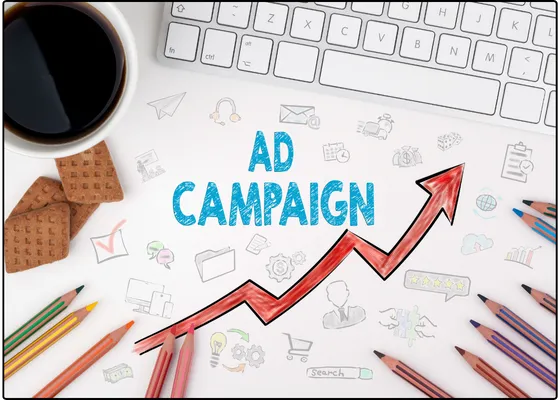
Ad campaigns are another way to expand your reach and raise more awareness of your event. You can run ad campaigns on search engines, social media channels, and even specific websites.
As you build your campaign, you’ll want to target your audience as carefully as you can. You don’t want to spend a lot of money on an ad campaign to an audience that has no interest in your event.
You’ll also want to craft your ad copy and design to attract attention and get people to click through to your ticketing page.
Keep track of your ad spend and ticket sales generation so you have a sense of how successful your campaign has driven sales.
5. Develop an Email Marketing Strategy
Email marketing is another effective tool for spreading information and awareness about your event. As a first year event, you need to focus on building an email list.
Start by creating a ticketing page that starts collecting emails even when sales are closed. This strategy is easy to implement with Stride Events software, and it helps you have better opening day sales. It also offers a better experience for your attendees because they don’t have to be disappointed when they can’t get tickets for your event yet.
You’ll also have email addresses from everyone who’s placed an order. You can email them important details about your event. As you prep for your next event, you can create an email campaign for your past attendees. It’s much easier to keep your audience than to find new attendees each year.

6. Collaborate With Sponsors, Influencers, & Nonprofits
Work with sponsors, influencers, and nonprofits to help raise awareness about your event:
- Sponsors – Announce sponsor partnerships on social media and tag your sponsors. Tagging them can help your post reach their followers – especially if they engage with the post themselves.
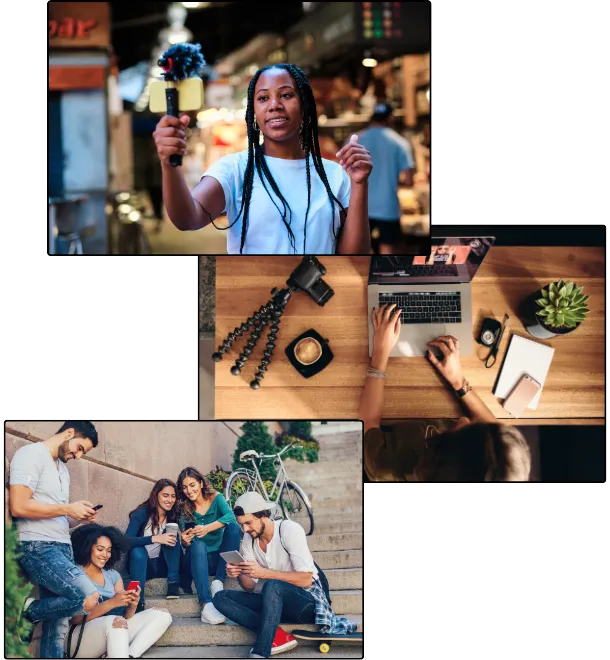
- Influencers – Work with influencers on social media to generate hype around your event and expand your reach. Focus on local influencers in your city, county, and state to reach likely attendees. As you consider which influencers to work with, be sure that their channel and their audience would be interested in attending your event.
- Nonprofits/Charities – Partner with a local nonprofit or charity as you organize your event. They can help you find attendees and you help them fundraise for their work.
7. Post on Social Media
Beyond working with influencers, there’s so much more you can do with social media:
- Organic Posts – Create social media accounts and post regularly. Work to connect with your audience with humor and give them exciting behind the scenes views of event prep. You can even have your audience help you make decisions about merchandise and other swag designs. This kind of event content can drive attendee engagement.
- Contests – Grow your following with contests for free tickets. Have people follow you on multiple channels, comment, share, and engage more.
- Ads – Social media ads can also help you expand your reach by putting your posts in front of people who don’t already follow you on social media.
- Groups – Some social media platforms allow you to create forums or groups, and these can be great ways to build your audience and community.
- Event Hashtag – Create an event hashtag and start using it. Encourage your attendees to use it when they post photos of your event so it’s easy for people to see all of the great experiences people are having at your event.
- Incentivized Shares – You can also incentivize people with a small discount when they share your event page directly with their friends and family on Facebook. It’s a great way to create organic social media buzz. Learn how to use this organic social media advertising integration.
8. Issue a Press Release
While it’s a more traditional method, press releases can still help you get the word out to your community to introduce your event.
9. Hang Up Posters
Creating posters and flyers are another more traditional method that helps you spread the word about your event. Find local bulletin boards where you can post flyers about your event. You can also talk to local businesses to see if they’d let you place a flyer in their lobby. With large posters, find busy intersections where you can place them so lots of people see them.
Include a QR code on your poster so that people can buy tickets or register when they see your sign.
10. Advertise Early-bird Discounts
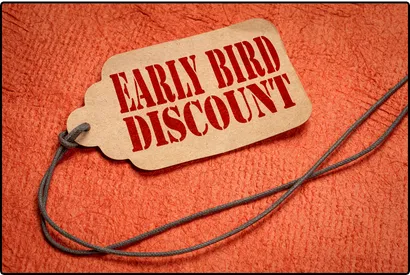
You can get a jumpstart on ticket sales when you open sales three to four months in advance of your event. Opening so early, helps you get ticket revenue flowing faster. And, you also have more time to sell more tickets.
The other advantage of an early opening is offering early-bird discounts. You can set your ticket price to increase as your event draws closer. So, the people who buy early get better deals than people who buy later.
Some people are planners and will buy tickets well in advance. Others have plans that fluctuate, so they may not be ready to buy until much closer to your event.
11. Highlight Promo Codes & Incentives
You can also develop your own sales campaigns and create promo codes and incentives to match each one. These flash sales and special promotions can help you create a sense of urgency to help people make a purchase decision.
12. Turn Attendees into Built-in Marketers
You can also create a referral program to encourage your attendees to get their friends and family to come to your event, too. You can offer set rebates for every additional ticket your attendees help you sell. It’s a great way to get more of your community coming to your event
FAQs
We answer the most common questions on growing event revenue online below.
How can I make money from events?
You can make money from events from ticket sales and registration sign ups. You can also work with sponsors and vendors to generate revenue to help cover your operating costs.
What are the most profitable events to organize?
Profitable event ideas include conferences, summits, workshops, masterclasses, festivals, retreats, trade shows, expos, networking events, nightlife events, galas, sports tournaments, training bootcamps, certification courses, and high-end dining experiences.
Keep in mind that most first year events may just break even. When you’re creating an event, commit to organizing it for at least two years before abandoning your vision. It’ll be much easier to be profitable and grow from your first year with all of the work you put into your first year.
How can you generate big money from small events?
It takes time to generate big money from events because you have to build up your brand and your audience, and that takes time. As you start to build your event, consider ways to increase the value of your event with add-on items and exclusive experience. You’ll also want to sell sponsorships to help you generate more revenue to cover costs and boost your profits.
How do I increase event revenue online?
Start by selling your tickets online. People can buy tickets anywhere, any time. Your ticketing platform should have proven, effective growth tools to help you drive more sales. Compare ticketing platforms on what they offer for marketing and growth. Growth tools include automated abandoned cart email reminders, customizable referral systems, etc. Check out more tips on how to grow registration and ticket sales.
How can I increase event revenue for free?
You can increase your event revenue by raising your ticket prices as your event gets closer, offering exclusive experiences, and including add-ons like parking passes. You can also sell sponsorships and vendor booths to help generate more revenue for your event and cover your operating costs.
How can I grow my event for free?
The best way to grow your event for free is with automated abandoned cart emails. These emails are often free and help you close more ticket sales. You can also get your event listed for free on event calendars and possibly other sites to help spread awareness. Once you’ve organized your event in its first year, the best free way to grow ticket sales is with email marketing to everyone who bought tickets the first time.